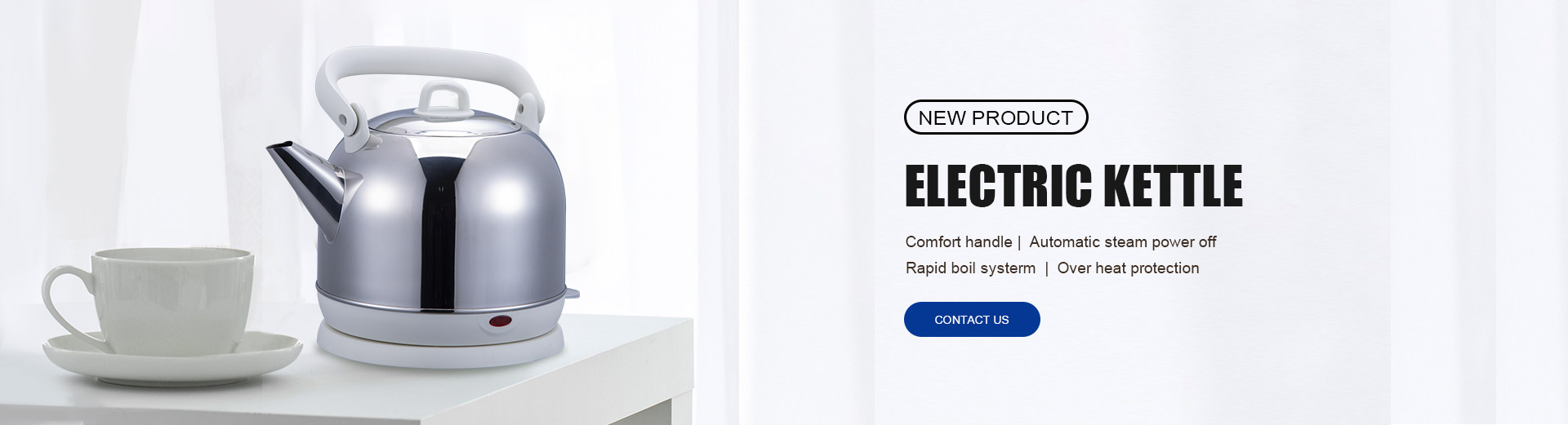
1.7L electric kettles are generally more popular for family and retail markets because they provide higher capacity with practical usability, while 1.5l kettles offer a more compact and efficient option.
Capacity is one of the key factors affecting consumer purchasing decisions.
The kettle size determines:
Number of users served
Water preparation efficiency
Product size
Energy usage
Market positioning
For electric kettle manufacturers and brands, choosing between 1.5l and 1.7L capacities requires understanding:
Target customers
Sales channels
Regional preferences
Usage scenarios
Both capacities have strong market applications.
The main difference is the amount of water each kettle can heat at one time.
A 1.5L kettle provides a balanced capacity for:
Small families
Individual users
Compact kitchens
Advantages include:
Smaller product size
Lower water consumption
Easier storage
A 1.7L kettle provides additional capacity for:
Larger households
Multiple users
Frequent hot water demand
Advantages include:
More water per heating cycle
Reduced refilling frequency
Better family usability
Household requirements are one of the main factors influencing capacity selection.
A 1.5L kettle is suitable for:
Single users
Couples
Small apartments
Benefits include:
Compact design
Faster preparation for smaller amounts
Space-saving advantages
A 1.7L kettle is often preferred by:
Medium-sized families
Users who prepare multiple drinks
Households with frequent boiling needs
Benefits include:
Higher efficiency
Fewer boiling cycles
Better daily convenience
Retail consumers often look for products that balance capacity and practicality.
The 1.7L capacity has become common because it provides:
Enough water for family use
A reasonable product size
Broad customer appeal
It fits many household scenarios, making it attractive for general appliance markets.
Compact product trends continue to grow in some markets.
A 1.5L kettle offers advantages for:
Small living spaces
Urban apartments
Personal appliance categories
It is suitable for consumers who prioritize:
Space efficiency
Lightweight handling
Moderate water usage
Capacity influences product structure and manufacturing requirements.
Manufacturers focus on:
Compact body structure
Lightweight design
Comfortable handling
Manufacturers need to consider:
Stronger body structure
Handle durability
Better balance when full
Because additional water increases product weight, structural design becomes important.
The water volume affects heating time and power requirements.
Advantages include:
Faster heating for smaller amounts
Lower energy requirements
Efficient daily use
Advantages include:
More water availability
Better efficiency for multiple users
The ideal choice depends on whether speed or volume is the priority.
Capacity differences influence material usage and production requirements.
| Factor | 1.5L Electric Kettle | 1.7L Electric Kettle |
|---|---|---|
| Product Size | More compact | Larger |
| Material Usage | Lower | Higher |
| Heating Requirement | Lower | Higher |
| Target Users | Individuals and small families | Families and general markets |
| Main Advantage | Space efficiency | Higher capacity |
Manufacturers evaluate capacity together with product positioning and expected sales volume.
OEM projects require selecting capacity based on market strategy.
Suitable for:
Compact appliance brands
Travel-oriented products
Space-saving designs
Customization options include:
Product appearance
Color selection
Packaging
Handle design
Suitable for:
Mainstream household appliance brands
Retail products
Family-oriented markets
Customization options include:
Materials
Functions
Exterior design
Product features
Product size influences logistics efficiency.
Benefits include:
Smaller packaging
Lower shipping space
Easier storage
Requires:
Larger packaging design
Better protection solutions
More warehouse space
Manufacturers optimize packaging based on product size and export requirements.
Both capacities serve different customer groups.
Suitable for:
Compact household appliances
Individual users
Small-space living environments
Suitable for:
General household markets
Retail channels
Family appliance categories
The broader application range of 1.7L makes it a common choice for mainstream products.
Experienced manufacturers evaluate:
Target market demand
Customer usage habits
Product positioning
Cost requirements
Production feasibility
Professional recommendations help brands select capacities that match market expectations.
Both 1.5L and 1.7L electric kettles have strong market value.
The 1.5L capacity provides compactness, efficiency, and convenience for smaller usage scenarios, while the 1.7L capacity offers broader household appeal and higher water capacity.
By selecting the right capacity and working with an experienced electric kettle manufacturer, brands can develop products that better match customer needs and improve market competitiveness.