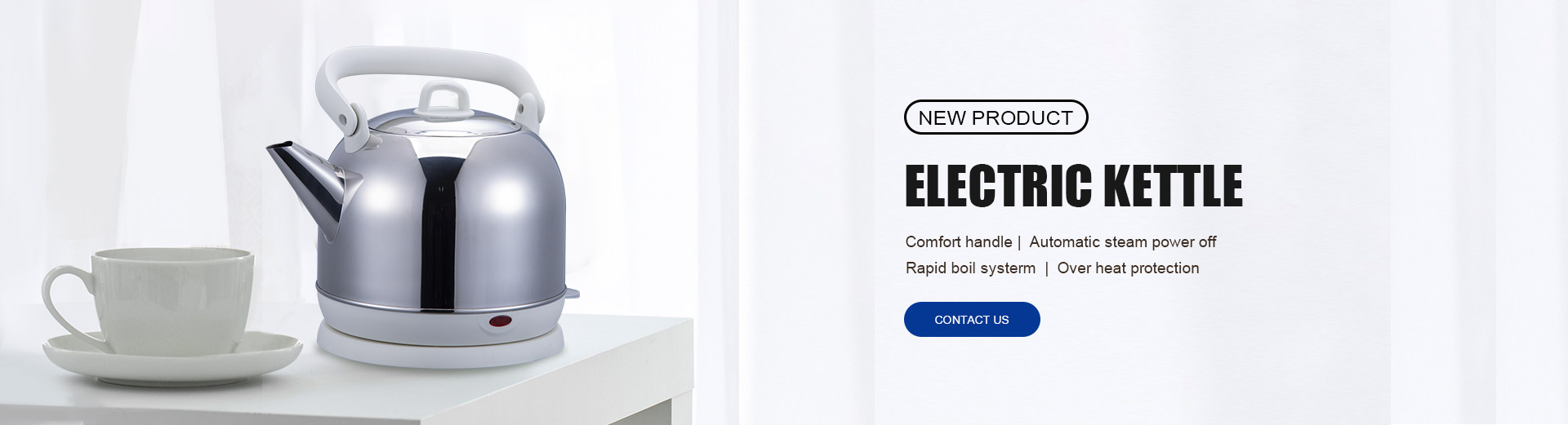
Transparent Glass Kettles improve user experience through visual interaction and modern appearance, while opaque Stainless Steel Kettles provide durability, premium texture, and long-term reliability.
The body design of an electric kettle influences how users interact with the product.
Consumers evaluate kettles based on:
Appearance
Material quality
Ease of use
Cleaning convenience
Overall kitchen experience
Transparent glass and opaque stainless steel designs create different user experiences.
For manufacturers and brands, selecting the right body material depends on:
Target market
Product positioning
User expectations
Manufacturing requirements
The main difference is how users see and interact with the kettle.
Glass kettles use heat-resistant transparent glass that allows users to see:
Water level
Boiling process
Internal condition
They create a more visual product experience.
Stainless steel kettles use metal bodies that hide the internal water.
They focus on:
Strong structure
Premium material feeling
Long-term durability
Visual appeal plays an important role in modern kitchen appliance markets.
Glass kettles provide:
Visible boiling process
Modern appearance
LED lighting effects
Interactive experience
Users can easily observe:
Water volume
Heating progress
Cleanliness inside the kettle
This makes glass kettles attractive for consumers who value design and experience.
Stainless steel kettles create appeal through:
Metal texture
Professional appearance
Premium finishing options
Manufacturers can achieve different styles through:
Brushed finishes
Mirror polishing
Matte surfaces
Visibility affects daily operation.
Users can directly check:
Remaining water level
Boiling status
Internal condition
This reduces uncertainty during operation.
Stainless steel kettles usually require:
External water indicators
Lid opening checks
Measurement markings
They provide less direct visibility but maintain stronger structural protection.
Durability affects long-term user satisfaction.
Stainless steel provides:
Strong impact resistance
Stable structure
Better resistance to daily wear
It is suitable for:
Frequent household use
Commercial applications
Durability-focused markets
Heat-resistant glass is designed for electric kettle applications.
Manufacturers focus on:
Glass thickness
Structural protection
Impact resistance
Packaging safety
Proper design and quality control improve glass kettle reliability.
Maintenance influences long-term user experience.
Glass allows users to easily observe:
Water stains
Scale buildup
Internal cleanliness
This helps with regular maintenance.
Stainless steel provides:
Durable surfaces
Easy daily cleaning
Strong appearance retention
Professional surface treatment improves cleaning performance.
Premium products often focus on:
Design differentiation
Material quality
User experience
Brand value
Glass kettles support premium positioning through:
Modern visual design
Interactive functions
Lifestyle appeal
They are suitable for brands targeting design-oriented consumers.
Stainless steel kettles create premium value through:
High-quality materials
Durable construction
Refined surface finishes
They are suitable for brands emphasizing reliability and craftsmanship.
Different materials require different production methods.
| Factor | Transparent Glass Kettle | Opaque Stainless Steel Kettle |
|---|---|---|
| Main Material | Heat-resistant glass | Stainless steel |
| Visual Experience | Transparent and interactive | Solid and premium |
| Manufacturing Focus | Glass quality and protection | Metal processing and finishing |
| Durability | Requires careful protection | Strong structural performance |
| Market Position | Lifestyle-focused | Performance-focused |
Manufacturers apply different quality control methods according to material characteristics.
OEM selection depends on brand strategy.
Suitable for:
Modern appliance brands
Lifestyle products
Design-focused markets
Customization options include:
Glass shape
LED lighting
Handle design
Base appearance
Suitable for:
Premium appliance lines
Commercial products
Durable product categories
Customization options include:
Stainless steel grade
Surface treatment
Structural design
Different customers value different product features.
Often focus on:
Appearance
Visibility
Modern kitchen style
Product interaction
Often focus on:
Durability
Material quality
Long-term reliability
Premium feel
Understanding customer expectations helps brands select suitable designs.
Experienced manufacturers optimize products through:
Improving:
Product structure
Ergonomic details
Visual appearance
Evaluating:
Performance requirements
Market positioning
Cost objectives
Managing:
Material inspection
Production accuracy
Final performance testing
These processes help ensure consistent product experiences.
Both transparent glass and stainless steel kettles have market advantages.
Transparent glass kettles are suitable for markets that value:
Visual experience
Modern design
Lifestyle products
Stainless steel kettles are suitable for markets that value:
Durability
Premium materials
Long-term performance
Transparent glass and opaque stainless steel kettles create different product experiences.
Glass kettles improve interaction through visibility and modern appearance, while stainless steel kettles provide durability, premium texture, and reliable performance.
By selecting the right material design and working with an experienced electric kettle manufacturer, brands can develop products that better match consumer expectations and market trends.