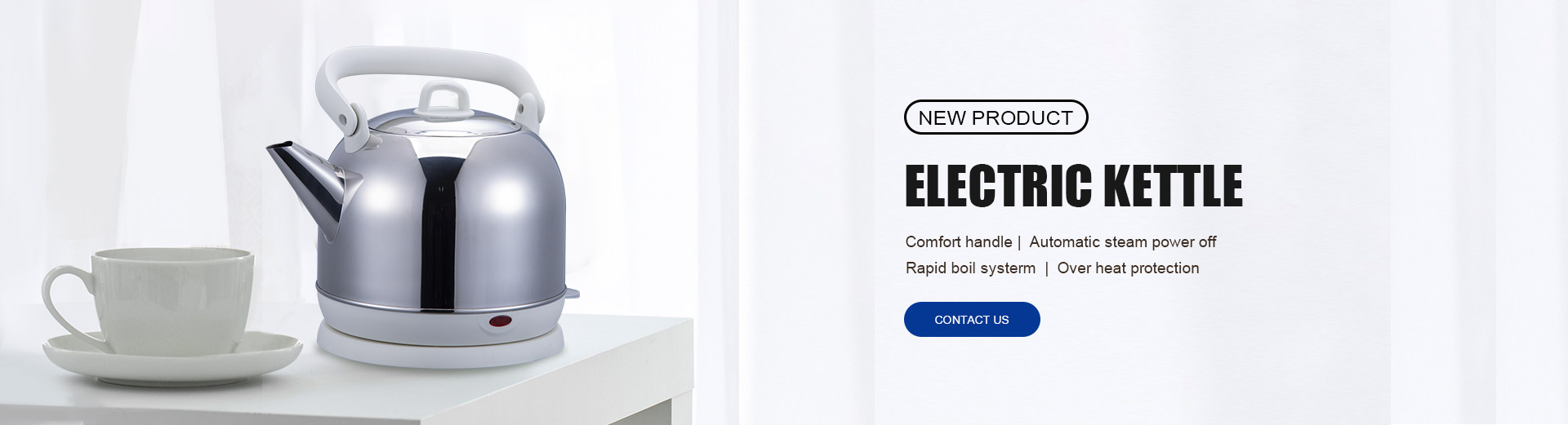
Glass body kettles attract consumers through modern appearance and visual experience, while stainless steel body kettles appeal through durability and premium material perception. The better design depends on market positioning and customer expectations.
The kettle body is one of the most visible product elements and strongly influences consumer purchasing decisions.
Different markets may value different product characteristics, including:
Appearance design
Material quality
Durability
User experience
Price positioning
For electric kettle brands, choosing between glass and stainless steel bodies requires balancing:
Target customers
Market trends
Product positioning
Manufacturing requirements
Both designs can create attractive products when properly developed.
The main difference comes from the material characteristics and visual experience.
Glass body kettles use transparent heat-resistant glass for the main water container.
Key features include:
Transparent appearance
Visible boiling process
Modern kitchen style
Strong visual appeal
Stainless steel body kettles use metal construction for the main body.
Key features include:
Strong durability
Premium material feeling
Professional appearance
Long service life
Appearance is a major factor in modern kitchen appliance markets.
Glass creates a unique user experience through:
Visible water movement
LED lighting effects
Transparent structure
Contemporary appearance
This design is attractive for consumers who value:
Kitchen aesthetics
Product innovation
Lifestyle experience
Stainless steel creates value through:
Metal texture
Clean appearance
Premium finishing options
Manufacturers can achieve different styles through:
Brushed finishing
Mirror polishing
Matte surfaces
Premium markets usually focus on:
Design quality
Material perception
User experience
Product differentiation
Glass Kettles support premium positioning through:
Modern appearance
Visual interaction
Transparent design features
They are suitable for brands focusing on lifestyle and kitchen aesthetics.
Stainless Steel Kettles create premium value through:
Durable construction
High-quality materials
Refined surface treatments
They are suitable for brands emphasizing reliability and long-term value.
Durability affects long-term customer satisfaction.
Stainless steel provides:
Strong impact resistance
Stable structure
Long-term appearance retention
It is suitable for environments requiring frequent use.
Heat-resistant glass is designed for electric kettle applications.
However, manufacturers need to focus on:
Glass quality
Structural protection
Packaging safety
Proper design and manufacturing control help improve glass kettle reliability.
User experience includes both operation and product interaction.
Users can enjoy:
Watching the boiling process
Clear water visibility
Modern visual effects
This creates a more interactive experience.
Users benefit from:
Strong structure
Comfortable handling
Professional product feeling
It focuses more on reliability and practical use.
Different materials require different production processes.
| Factor | Glass Body Kettle | Stainless Steel Body Kettle |
|---|---|---|
| Main Material | Heat-resistant glass | Stainless steel |
| Appearance Style | Transparent and modern | Premium and durable |
| Manufacturing Focus | Glass quality and protection | Metal processing and finishing |
| Customization Direction | Shape and lighting effects | Finish and structure |
| Market Position | Lifestyle-focused | Performance-focused |
Manufacturers need different quality control methods for each design.
The best choice depends on brand goals.
Suitable for:
Modern appliance brands
Lifestyle products
Design-focused markets
Customization options include:
Glass shape
LED functions
Handle design
Base appearance
Suitable for:
Durable product lines
Commercial applications
Premium household appliances
Customization options include:
Surface finish
Body structure
Handle design
Product details
Material selection influences manufacturing investment.
Costs may include:
Heat-resistant glass
Protective packaging
Additional safety testing
Costs depend on:
Stainless steel grade
Metal processing
Surface treatment
The final product cost depends on design complexity, order quantity, and manufacturing requirements.
Different markets have different preferences.
Suitable for:
Home appliance markets
Modern kitchens
Design-oriented consumers
Suitable for:
Professional kitchens
Commercial environments
Durability-focused users
Market research helps determine the best product direction.
Experienced manufacturers evaluate:
Target market
Product positioning
Production feasibility
Cost objectives
Quality expectations
Professional guidance helps brands select designs that match both customer demand and manufacturing capability.
Glass body and stainless steel body kettles both have strong market appeal, but they attract different customer groups.
Glass body kettles stand out through modern appearance and visual experience, while stainless steel kettles provide durability, premium material perception, and long-term value.
By selecting the right body design and working with an experienced electric kettle manufacturer, brands can create products that match market trends and customer expectations.