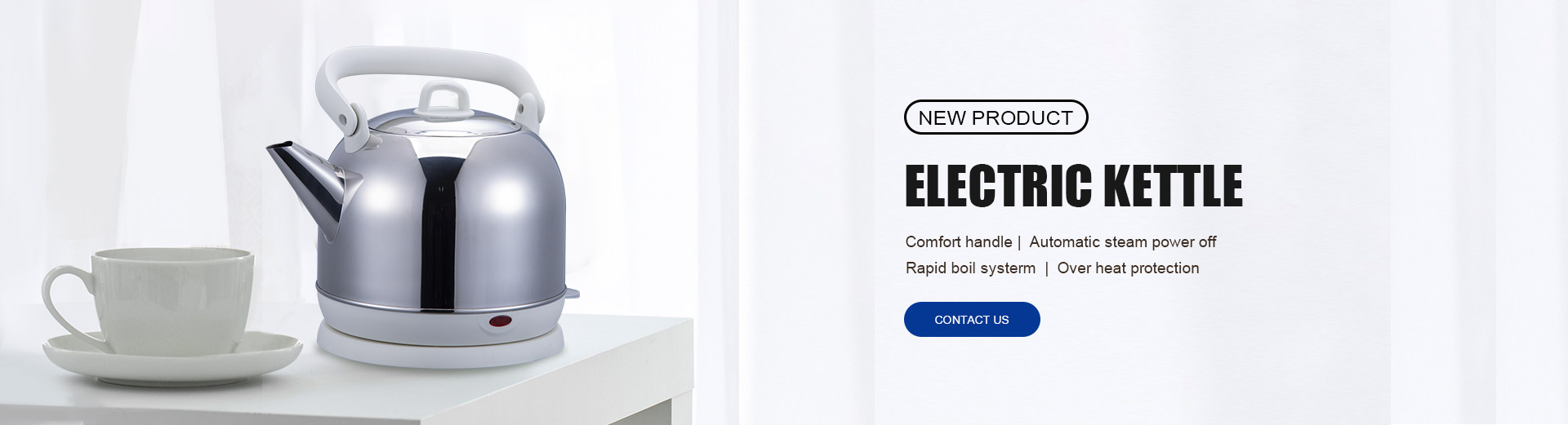
OEM manufacturing can reduce electric kettle production costs through optimized product design, efficient production processes, material management, experienced engineering support, and large-scale manufacturing advantages.
OEM manufacturing allows brands to cooperate with experienced factories that already have production systems, equipment, and technical capabilities.
Compared with building independent production facilities, OEM cooperation helps reduce costs related to:
Factory investment
Production equipment
Manufacturing management
Technical development
Quality control systems
Professional OEM manufacturers provide production resources that allow brands to focus on product positioning, marketing, and sales while reducing manufacturing complexity.
Product development is one of the major cost factors in electric kettle projects.
OEM manufacturers help reduce development costs through:
Experienced factories understand:
Product structures
Material applications
Production processes
Common technical challenges
This experience helps avoid unnecessary trial-and-error during development.
OEM manufacturers can provide:
Design optimization suggestions
Manufacturing feasibility analysis
Component improvement solutions
Engineering support helps create products that are easier and more economical to manufacture.
Product design directly affects manufacturing efficiency.
OEM manufacturers can optimize:
Engineers evaluate whether the design can be simplified while maintaining:
Safety
Functionality
Appearance quality
Simplified structures may reduce:
Component numbers
Assembly time
Production complexity
Before mass production, manufacturers review whether the design is suitable for existing production processes.
This helps reduce unexpected costs caused by:
Difficult processing methods
Production modifications
Material waste
Large-scale manufacturing is one of the main advantages of OEM production.
OEM factories can reduce unit costs through:
Higher production efficiency
Optimized production lines
Bulk material purchasing
Standardized manufacturing processes
When production volume increases, fixed costs such as:
Equipment operation
Production preparation
Process setup
can be distributed across more units.
Material selection has a significant impact on production costs.
OEM manufacturers control material costs through:
Professional factories often maintain stable supplier relationships for:
Stainless steel
Plastic components
Heating elements
Electrical parts
Stable supply channels help improve purchasing efficiency.
Engineers select suitable materials based on:
Product positioning
Performance requirements
Target market
The goal is to achieve the required quality without unnecessary material costs.
Efficient manufacturing processes improve productivity and reduce waste.
OEM manufacturers optimize processes including:
Improving:
Material utilization
Forming efficiency
Welding procedures
Optimizing:
Mold design
Production cycle time
Component consistency
Improving:
Workflow arrangement
Production efficiency
Labor utilization
Better processes reduce manufacturing costs while maintaining product reliability.
Custom electric kettles may require new molds or tooling.
OEM manufacturers help control tooling costs through:
Using proven structures can reduce:
Development time
Mold investment
Production risks
Engineering teams evaluate:
Mold complexity
Component design
Production lifespan
Optimized tooling improves long-term production efficiency.
Quality problems can create additional costs during production.
OEM manufacturers reduce these risks through:
Material inspection
Process monitoring
Product testing
Final inspection
Effective quality management helps reduce:
Rework costs
Material waste
Production delays
Customer returns
Although quality control requires investment, it improves overall cost efficiency.
OEM factories already have established production systems.
Advantages include:
Experienced production teams
Dedicated manufacturing equipment
Standard operating procedures
Professional quality departments
These resources help shorten production preparation time and improve manufacturing efficiency.
Customization does not always mean significantly higher costs when managed properly.
OEM manufacturers help control customization expenses through:
Providing options for:
Existing structures
Modified designs
Customized finishes
Experienced manufacturers know how to balance:
Custom requirements
Manufacturing efficiency
Cost objectives
This helps create differentiated products without unnecessary complexity.
Large-volume OEM orders benefit from better production planning.
Manufacturers can improve cost efficiency through:
Batch production
Material preparation
Production scheduling
Process standardization
These advantages help maintain competitive pricing for large orders.
Building an independent electric kettle production facility requires significant investment in:
Equipment
Production space
Skilled workers
Quality systems
OEM cooperation allows brands to access existing manufacturing resources without making these investments.
This reduces entry barriers for companies developing new electric kettle products.
Effective cooperation improves cost management.
Important steps include:
Confirm:
Functions
Materials
Design expectations
Target market
Discuss:
Manufacturing feasibility
Cost optimization opportunities
Production methods
Stable cooperation helps manufacturers better understand product requirements and improve production efficiency.
OEM manufacturing reduces electric kettle production costs by combining manufacturing experience, production efficiency, supply chain advantages, and quality management systems.
A professional OEM manufacturer helps optimize every stage, from product design and material selection to mass production and quality control.
Through efficient manufacturing cooperation, brands can achieve competitive production costs while maintaining reliable product quality and market-ready performance.