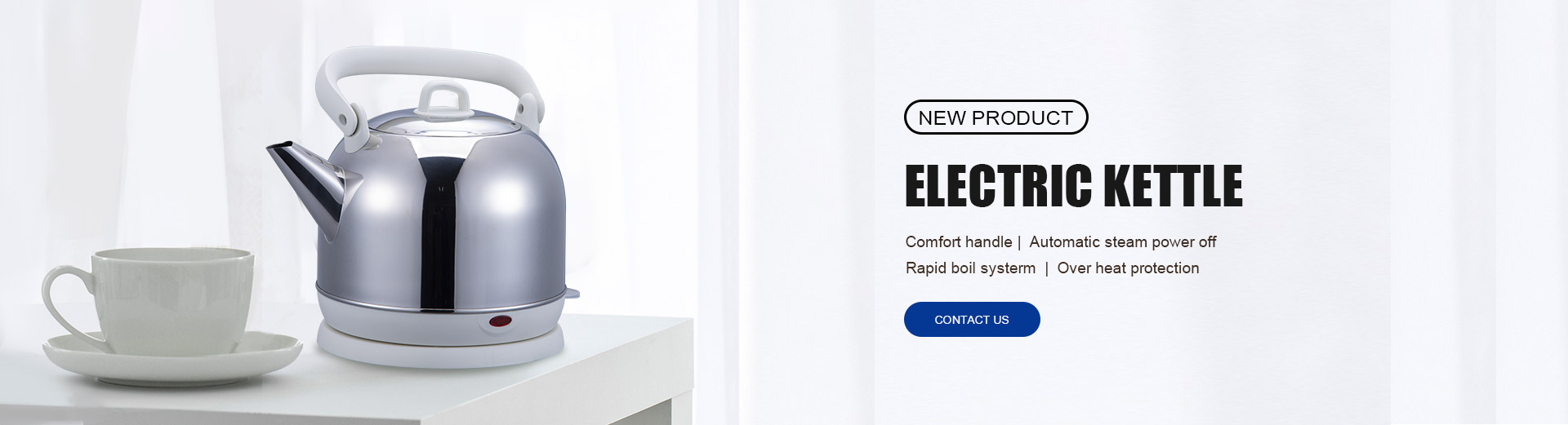
electric kettle manufacturers should have certifications related to electrical safety, material compliance, quality management, and market access requirements to ensure reliable products.
Certifications help verify that electric kettle manufacturers follow recognized safety, quality, and production standards. Since electric kettles combine electrical systems, heating components, and materials that contact water, compliance is an important factor in product reliability.
For global markets, certifications help demonstrate:
Product safety
Manufacturing capability
Material compliance
Quality management
Market acceptance
For brands, distributors, and retailers, working with a certified electric kettle manufacturer reduces quality risks and supports smoother product approval processes.
A strong quality management system is the foundation of stable manufacturing.
ISO 9001 is one of the most recognized quality management certifications worldwide.
It focuses on:
Production process control
Continuous improvement
Quality consistency
Customer requirement management
For electric kettle manufacturers, ISO 9001 helps establish systematic control over:
Raw materials
Production procedures
Inspection processes
Documentation management
A factory with a structured quality management system can better maintain consistent product performance during large-scale production.
Because electric kettles operate with heating elements and power systems, electrical safety certifications are especially important.
CE marking is commonly required for products entering many European markets.
It indicates that products meet applicable European safety, health, and environmental requirements.
For electric kettles, evaluation may involve:
Electrical safety
Product performance
Material compliance
CB certification is an internationally recognized electrical product testing system.
It helps simplify product approval across different countries by providing standardized safety test results.
Electric kettle manufacturers with CB certification capabilities can better support global market expansion.
UL certification is widely recognized in North American markets.
It focuses on product safety evaluation, including electrical performance and risk prevention.
For electric kettle manufacturers targeting North America, UL-related compliance may be an important consideration.
Since electric kettles involve water contact and consumer use, material safety is a key requirement.
RoHS restricts the use of certain hazardous substances in electrical and electronic products.
It helps ensure that product materials meet environmental requirements.
LFGB is commonly associated with food-contact safety requirements in Germany and European markets.
For kettle components that contact water, material testing helps verify suitability and safety.
REACH focuses on chemical substance management and helps ensure products meet European chemical regulations.
Material compliance supports safer product development and international market acceptance.
Beyond product certifications, factory-level certifications demonstrate production management capability.
Important areas include:
Shows that manufacturing processes are controlled and documented.
Demonstrates the ability to maintain stable output during large orders.
Shows that products undergo systematic quality checks before delivery.
These capabilities are especially important for OEM and ODM electric kettle projects where customized products require consistent manufacturing.
Yes. Certification requirements often depend on the destination market and product specifications.
Examples include:
| Market | Common Certification Considerations |
|---|---|
| European markets | CE, RoHS, REACH, relevant safety standards |
| North American markets | UL-related requirements and electrical safety standards |
| International markets | CB certification and local compliance requirements |
Manufacturers need to evaluate target markets before product development to avoid certification delays.
For customized electric kettles, certifications provide additional confidence during product development and mass production.
Certified manufacturing systems help support:
Material selection
Product testing
Documentation preparation
Market compliance
Quality consistency
When developing customized products, manufacturers can use certification requirements as a reference during design and production planning.
Certifications are important, but they should be evaluated together with manufacturing capability.
Additional factors include:
Experience with different kettle designs helps reduce development risks.
A complete inspection process ensures stable product quality.
Strong engineering support helps solve design and production challenges.
Suitable equipment improves production accuracy and efficiency.
Certifications demonstrate compliance, while manufacturing capability determines how consistently products can be produced.
Obtaining certifications is only the beginning. Maintaining compliance requires continuous management.
Manufacturers maintain standards through:
Regular quality inspections
Process monitoring
Equipment maintenance
Employee training
Documentation management
Continuous control ensures that mass-produced electric kettles continue to meet certification requirements.
Certifications provide evidence that an electric kettle manufacturer follows recognized safety and quality requirements.
A reliable manufacturer combines certifications with professional engineering, production experience, and quality management systems.
By maintaining proper certifications and strict manufacturing control, electric kettle manufacturers can deliver safe, compliant, and reliable products for global markets.