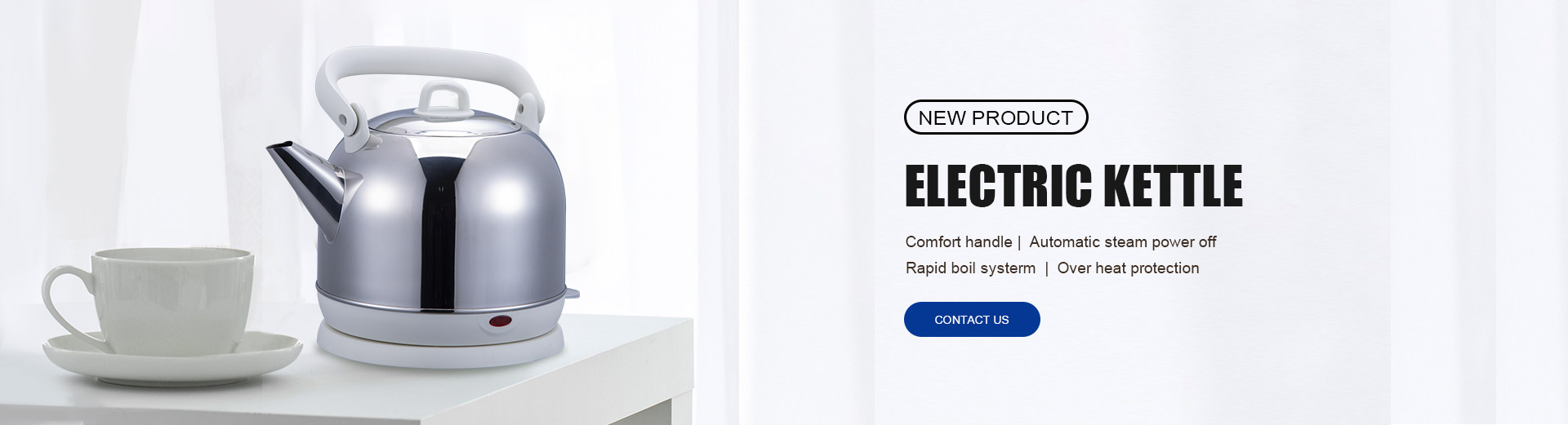
Modern design electric kettles attract consumers through improved appearance, functions, and user experience, while traditional electric kettles remain popular for simplicity, reliability, and affordability.
Electric kettles have evolved from basic heating appliances into products that combine functionality, appearance, and lifestyle value.
Consumer decisions are influenced by:
Product appearance
Ease of use
Material quality
Functional features
Brand positioning
For manufacturers and brands, choosing between traditional and modern designs requires understanding target customers and market expectations.
The main difference is the balance between basic functionality and enhanced user experience.
traditional kettles focus on:
Simple operation
Reliable performance
Practical design
Cost efficiency
They usually include:
Basic switches
Standard body shapes
Essential heating functions
Modern kettles focus on:
Contemporary appearance
Advanced functions
Better user interaction
Premium product experience
They may include:
Digital controls
Temperature settings
LED indicators
Improved ergonomic designs
Appearance is an important factor in consumer purchasing decisions.
Traditional kettles attract consumers through:
Familiar appearance
Practical structure
Easy understanding
They are suitable for markets where functionality is the main priority.
Modern kettles create stronger visual appeal through:
Minimalist styles
Premium materials
Unique shapes
Modern finishes
They are often preferred by consumers who value kitchen aesthetics.
Modern electric kettles provide additional value through improved interaction.
Common improvements include:
Features such as:
Digital displays
Touch controls
Temperature adjustment
make operation more convenient.
Modern designs focus on:
Comfortable handles
Easier pouring
Better balance
Design elements help kettles match:
Modern kitchens
Smart appliances
Lifestyle environments
Traditional electric kettles continue to have strong market demand because of their practical advantages.
Benefits include:
Simple operation
Lower cost
Easy maintenance
Reliable performance
They are suitable for:
Budget markets
Large-volume retail
Users who prefer simplicity
Premium consumers often look for:
Unique appearance
Better materials
Additional functions
Strong brand value
Modern kettles support premium positioning through:
Innovative appearance
Advanced functions
Better user experience
Traditional designs can still create premium value through:
High-quality materials
Refined finishing
Excellent craftsmanship
Premium positioning depends on the overall product strategy.
Different designs require different production approaches.
| Factor | Traditional Design Kettle | Modern Design Kettle |
|---|---|---|
| Structure | Simpler | More complex |
| Manufacturing Process | Standardized | Requires more customization |
| Appearance Focus | Practicality | Visual differentiation |
| Function Level | Basic | Advanced |
| Production Cost | Usually lower | Usually higher |
Manufacturers need to balance design goals with production feasibility.
OEM projects require selecting designs based on market strategy.
Suitable for:
Cost-focused products
Large production volumes
Basic appliance markets
Customization may include:
Color options
Logo printing
Packaging design
Suitable for:
Premium brands
Lifestyle products
Differentiated markets
Customization may include:
Product shape
Surface finishes
Smart functions
User interface
Design complexity influences manufacturing investment.
Lower costs may come from:
Simpler structures
Standard components
Easier assembly
Additional costs may come from:
Customized components
Advanced functions
Special surface treatments
Additional testing
Manufacturers evaluate cost together with expected market value.
Material selection plays an important role in product appearance.
Common options include:
Provide:
Premium texture
Strong durability
Multiple finishing options
Provide:
Transparent appearance
Modern visual effects
Unique user experience
Provide:
Flexible shapes
More color choices
Cost efficiency
Material selection helps define product positioning.
Different consumers have different priorities.
Affordable price
Simple operation
Reliable performance
Product appearance
Smart features
Kitchen aesthetics
Better experience
Understanding consumer preferences helps brands select suitable designs.
Experienced manufacturers support brands through:
Design optimization
Material selection
Manufacturing feasibility analysis
Prototype development
Professional manufacturing experience helps balance:
Appearance
Functionality
Production efficiency
Cost objectives
Traditional and modern design electric kettles attract different consumer groups.
Traditional kettles provide simplicity, reliability, and cost advantages, while modern designs create stronger visual appeal and enhanced user experiences.
The best design choice depends on target customers, market positioning, and product goals.
By combining effective design strategies with experienced electric kettle manufacturing, brands can create products that meet consumer expectations and achieve stronger market performance.